Robot Kiểm Tra – Xu Hướng Tất Yếu Của Công Nghiệp Hiện Đại
Trong bối cảnh các nhà máy, nhà máy điện, nhà máy hóa dầu và hệ thống hạ tầng ngày càng phát triển với quy mô lớn, nhu cầu kiểm tra, giám sát và bảo trì thiết bị trở nên quan trọng hơn bao giờ hết. Các phương pháp kiểm tra truyền thống thường yêu cầu nhân viên tiếp cận những khu vực nguy hiểm, trên cao hoặc không gian hạn chế, tiềm ẩn nhiều rủi ro về an toàn lao động.
Sự ra đời của robot kiểm tra (Inspection Robot) đã tạo nên bước đột phá trong lĩnh vực bảo trì dự đoán và quản lý tài sản công nghiệp. Robot có thể hoạt động liên tục, thu thập dữ liệu chính xác và giảm đáng kể sự phụ thuộc vào lao động thủ công.
Robot Con Rắn Kiểm Tra Đường Dây Điện Và Đường Ống
Một trong những ứng dụng nổi bật hiện nay là robot dạng rắn (Snake Robot). Với thiết kế linh hoạt gồm nhiều khớp nối, robot có thể di chuyển trong các không gian hẹp, đường ống, máng cáp điện hoặc các vị trí khó tiếp cận.
Các ứng dụng điển hình
- Kiểm tra đường dây điện ngầm
- Kiểm tra máng cáp điện trong nhà máy
- Kiểm tra đường ống công nghiệp
- Kiểm tra hệ thống HVAC
- Kiểm tra đường ống dầu khí
- Kiểm tra bồn chứa và thiết bị áp lực
- Kiểm tra kết cấu cầu và công trình hạ tầng
Nhờ camera độ phân giải cao, cảm biến nhiệt và hệ thống truyền dữ liệu thời gian thực, robot có thể phát hiện các điểm nóng, hư hỏng cơ khí, hiện tượng ăn mòn hoặc các bất thường khác mà mắt thường khó nhận biết.
Robot Leo Cột Điện Và Đường Dây Truyền Tải
Các công ty điện lực trên thế giới đang sử dụng robot leo dây dẫn để kiểm tra hệ thống truyền tải điện cao thế. Robot có khả năng di chuyển trực tiếp trên dây điện và ghi nhận tình trạng:
- Mối nối dây dẫn
- Cách điện
- Bu lông và phụ kiện
- Hiện tượng phóng điện cục bộ
- Ăn mòn và hư hỏng cơ khí
Việc sử dụng robot giúp giảm đáng kể thời gian cắt điện và nâng cao độ an toàn cho nhân viên bảo trì.
Robot Kiểm Tra Đường Ống Dầu Khí
Trong ngành dầu khí và hóa dầu, robot kiểm tra được sử dụng để khảo sát các tuyến ống dài hàng chục hoặc hàng trăm kilomet.
Robot có thể phát hiện:
- Ăn mòn bên trong đường ống
- Nứt vật liệu
- Rò rỉ
- Biến dạng đường ống
- Tắc nghẽn dòng chảy
Dữ liệu thu thập được giúp doanh nghiệp xây dựng kế hoạch bảo trì dự đoán và giảm thiểu nguy cơ sự cố nghiêm trọng.
Robot Bốn Chân Trong Nhà Máy
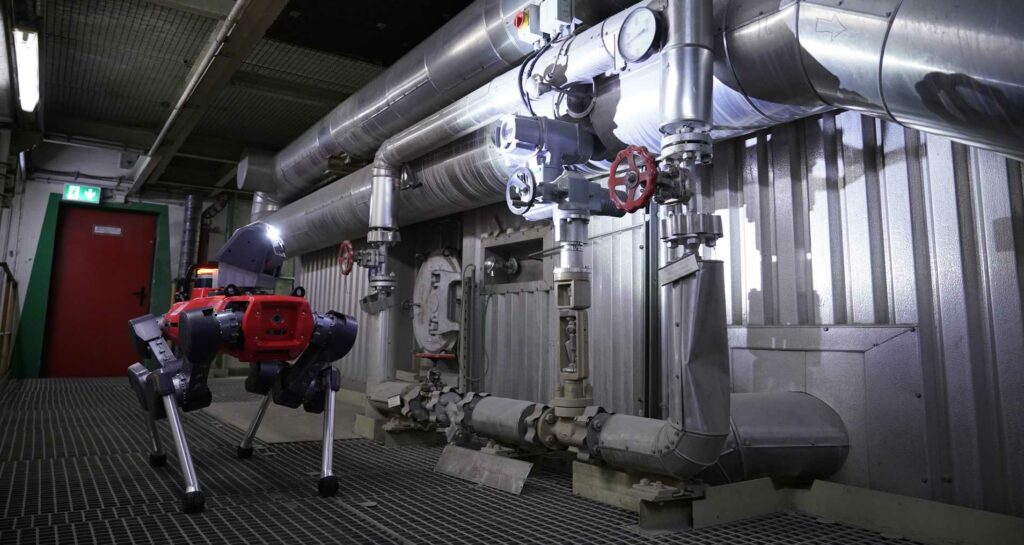
Bên cạnh robot dạng rắn, robot bốn chân đang trở thành giải pháp phổ biến trong các nhà máy hiện đại.
Robot có thể:
- Tuần tra tự động
- Đọc đồng hồ áp suất
- Kiểm tra nhiệt độ thiết bị
- Phát hiện rò rỉ khí
- Chụp ảnh và lập báo cáo
- Tích hợp AI phân tích bất thường
Robot hoạt động liên tục 24/7 và có thể thay thế nhiều công việc kiểm tra định kỳ của nhân viên vận hành.
Lợi Ích Khi Sử Dụng Robot Kiểm Tra
Nâng Cao An Toàn
Giảm thiểu việc nhân viên phải tiếp cận khu vực nguy hiểm như:
- Không gian hạn chế
- Khu vực có điện áp cao
- Môi trường độc hại
- Khu vực có nguy cơ cháy nổ
Giảm Chi Phí Vận Hành
Robot có thể hoạt động liên tục với chi phí thấp hơn so với kiểm tra thủ công, đồng thời giảm thời gian dừng máy và chi phí bảo trì.
Tăng Độ Chính Xác
Các cảm biến hiện đại giúp phát hiện sớm các dấu hiệu hư hỏng mà phương pháp kiểm tra truyền thống có thể bỏ sót.
Hỗ Trợ Bảo Trì Dự Đoán
Dữ liệu thu thập từ robot có thể tích hợp vào hệ thống quản lý tài sản (EAM/CMMS) và nền tảng AI để dự đoán hư hỏng trước khi sự cố xảy ra.
Ứng Dụng Trong Các Ngành Công Nghiệp
- Điện lực
- Dầu khí
- Hóa dầu
- Xi măng
- Thép
- Cấp thoát nước
- Hạ tầng giao thông
- Nhà máy sản xuất
- Kho bãi và logistics
STR – Giải Pháp Robot Kiểm Tra Công Nghiệp
STR cung cấp các giải pháp robot kiểm tra và giám sát công nghiệp phục vụ cho các nhà máy, khu công nghiệp và công trình hạ tầng. Chúng tôi hỗ trợ khảo sát, tư vấn giải pháp, tích hợp hệ thống và triển khai các công nghệ robot tiên tiến nhằm nâng cao an toàn, giảm chi phí vận hành và tối ưu hiệu quả bảo trì cho doanh nghiệp.
Liên hệ STR để được tư vấn giải pháp robot kiểm tra phù hợp với nhu cầu của nhà máy và dự án của bạn.
Autonomous Robotic Inspection Solutions
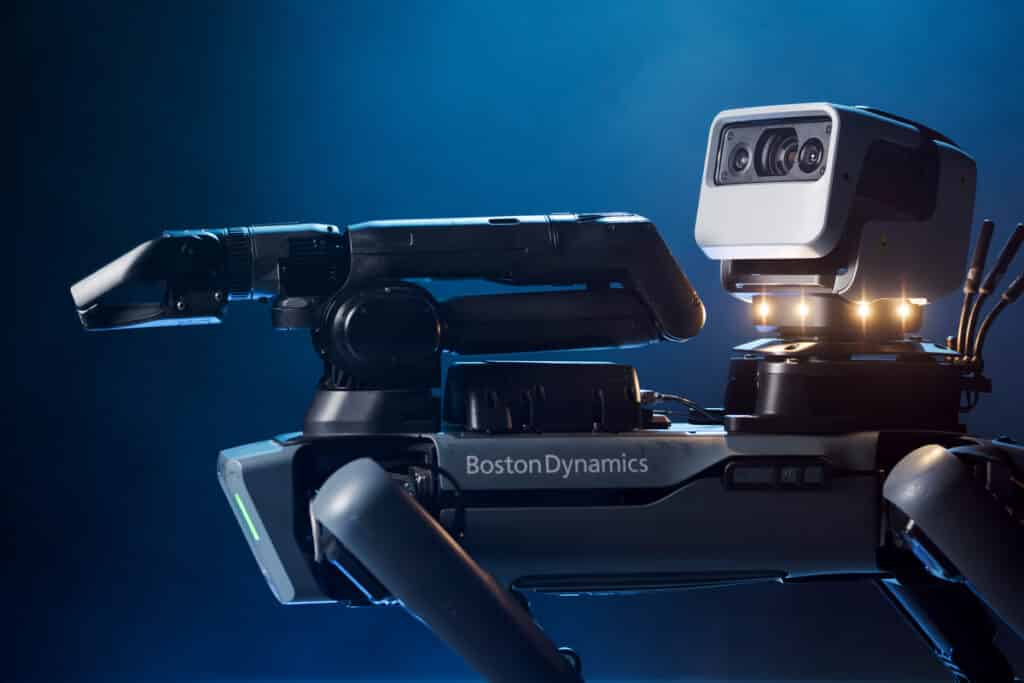
STR integrates autonomous robotic systems into industrial inspection processes to improve safety, efficiency, and data accuracy. These robotic platforms are equipped with a wide range of sensors and advanced technologies that enable them to perform detailed inspections in complex or hazardous environments where human access may be limited or unsafe.
Our robotic inspection systems can be equipped with multiple sensing technologies, including:
-
Optical sensors such as LiDAR and high-resolution RGB, IR, and thermal cameras
-
Acoustic sensors for detecting abnormal equipment noise and mechanical faults
-
Gas detection systems capable of identifying methane or other hazardous leaks
-
Environmental monitoring sensors for industrial process conditions
By combining these technologies, robots can detect various operational issues such as:
-
Gas leaks and emissions
-
Equipment overheating
-
Abnormal vibrations or mechanical noise
-
Structural anomalies and infrastructure defects
Industrial Applications
STR’s robotic inspection services are suitable for a wide range of industrial environments, including:
-
Oil & Gas facilities
-
Chemical plants
-
Manufacturing factories
-
Power plants
-
Wastewater treatment facilities
-
ATEX hazardous areas
Robotic inspection systems can perform routine patrol inspections, asset monitoring, and predictive maintenance tasks, significantly reducing the need for personnel to enter high-risk areas.
Improving Safety and Operational Efficiency
By deploying robotic inspection technologies, STR helps industrial clients achieve:
-
Improved workplace safety by minimizing human exposure to hazardous environments
-
Lower inspection costs through automation and continuous monitoring
-
More accurate inspection data using advanced sensors and AI analysis
-
Faster detection of operational issues, preventing equipment failure and downtime
Robotic inspection represents the future of industrial maintenance and asset integrity management, and STR is committed to delivering innovative solutions that help clients maintain safe, efficient, and reliable operations.